Ese puerto existe
Association NOEMI- Espace Browstone, Paris, 2026
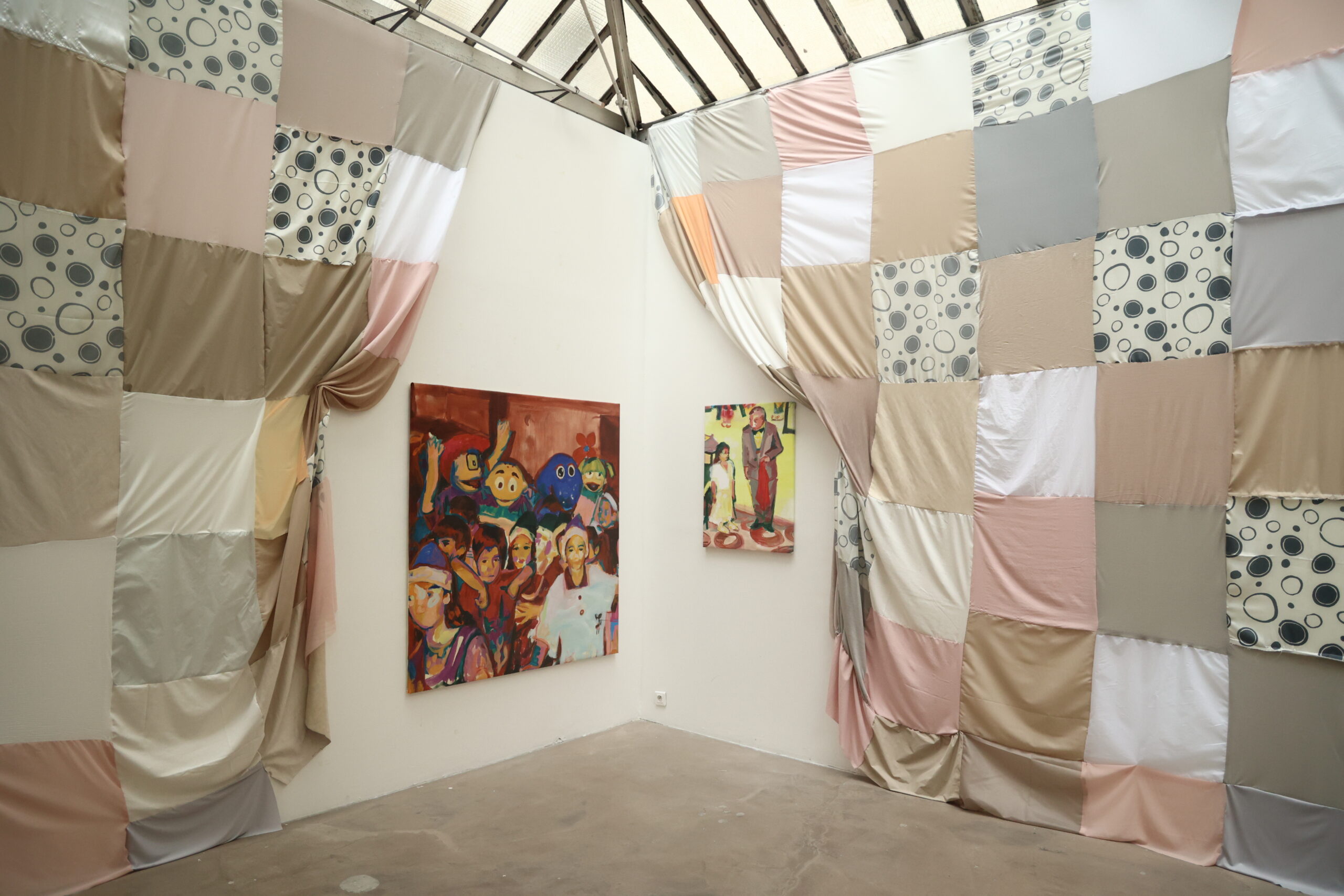
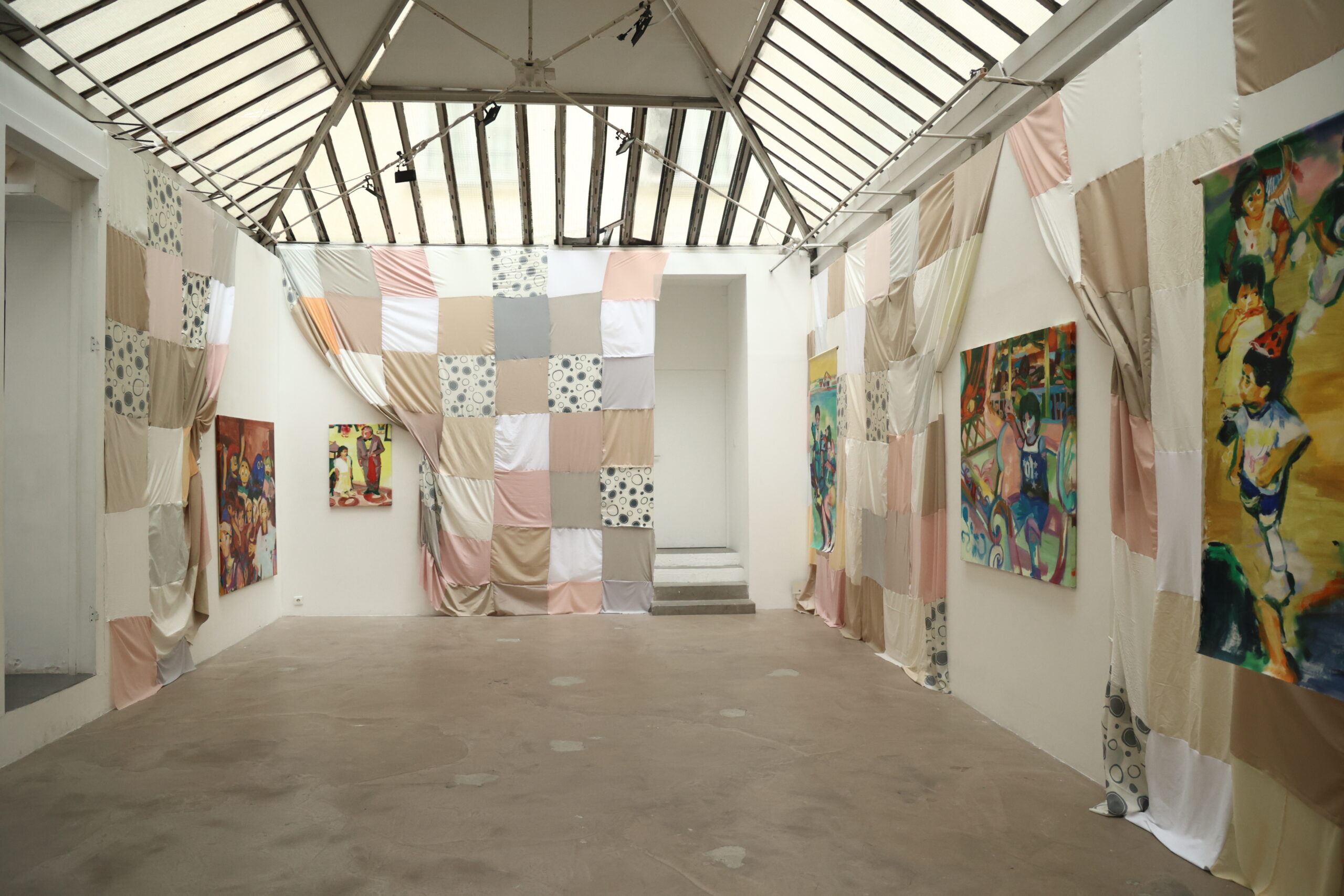
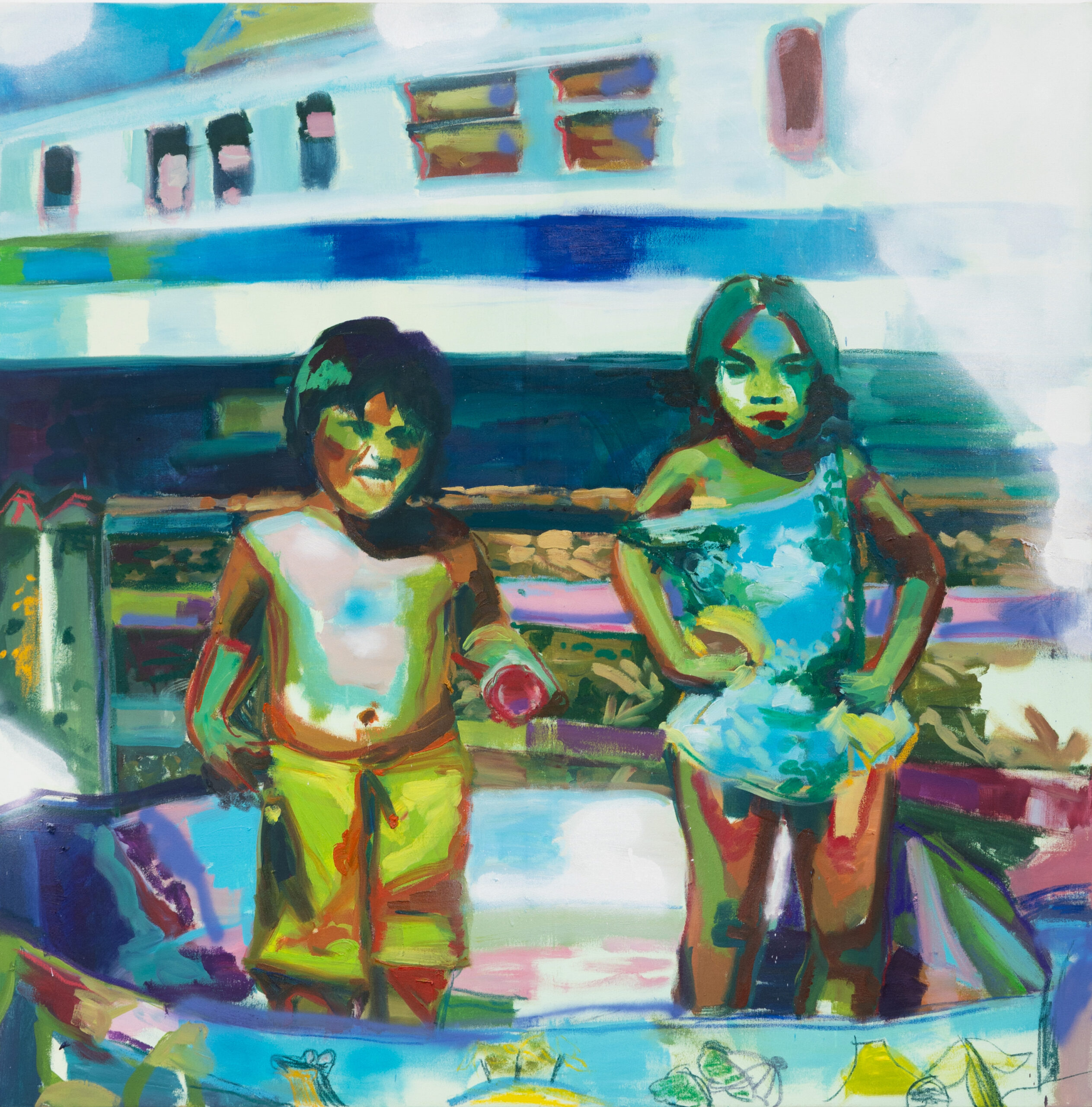
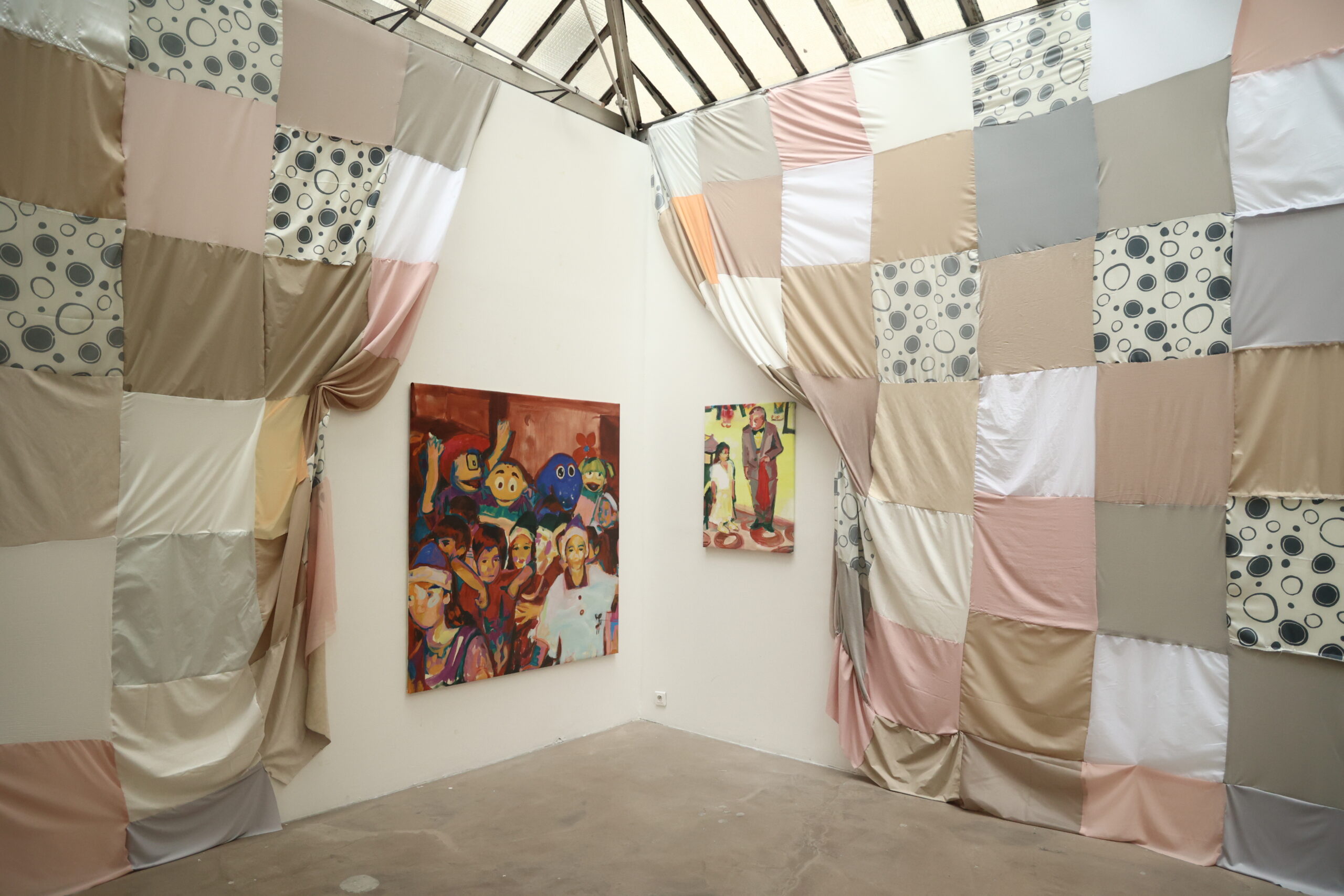
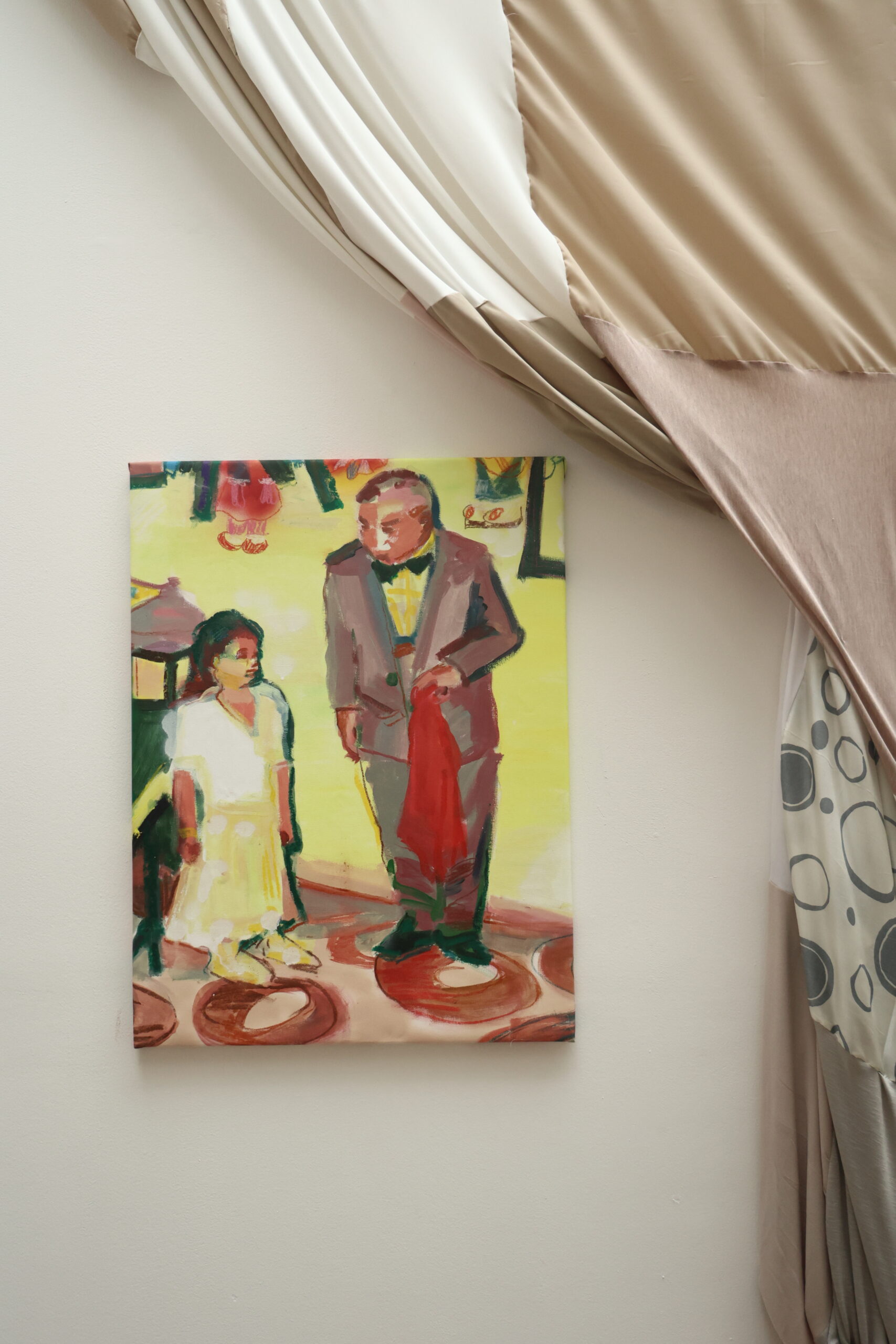
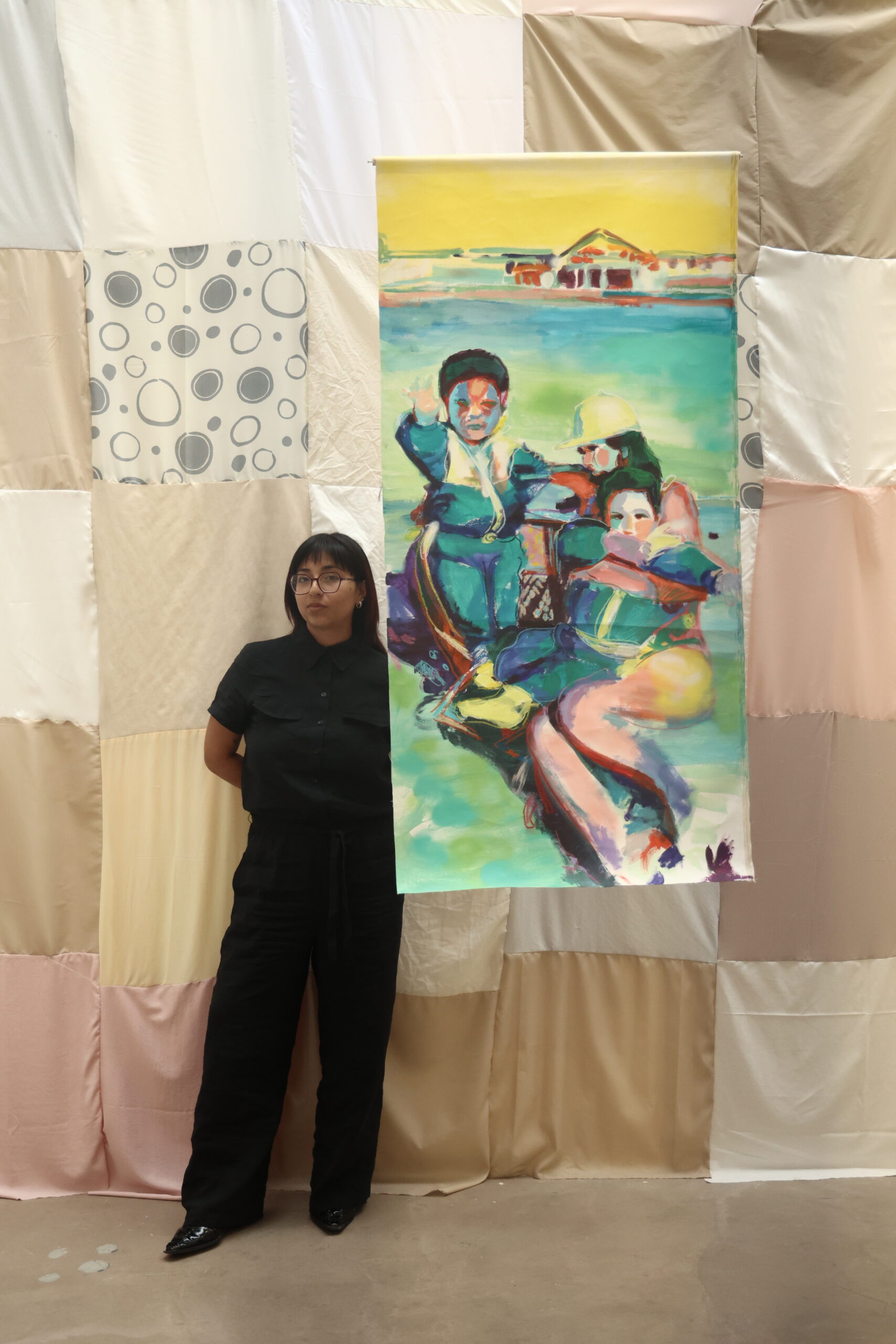
There are homes we remember not as places, but as sensations: the scent of a perfume, the texture of a bedsheet, the pattern of a curtain, the color of a wall. In her exhibition “Ese Puerto Existe” at Association NOEMI – Espace Brownstone, opening in Paris on May 21 2026, Peruvian artist Fabiola Gonzáles creates an immersive environment where memory, migration, and domestic ritual are reconfigured. Rather than presenting home as a stable site, Gonzáles understands it as something emotional and mutable, constructed through gestures, inherited forms of care, and the bonds that persist across time and distance. What does it mean to call a place “home” in a world defined by movement?
The title of this exhibition, “Ese puerto existe” (That port exists), borrows its name from the 1959 book by the Peruvian poet Blanca Varela. For Varela, a “port” wasn’t just a place where ships land; it was a metaphor for finding a solid ground to stand on in a world that is always changing. For someone who has moved between countries or experiences the fading of family memories, home can feel like it’s slipping away. The artist finds her “port” in the fragments of the everyday: the grain of a photograph, the edge of a textile, and the repetitive gestures of family ritual. For Fabiola Gonzáles, this port represents the emotional architecture we build to resist the tides of movement and time. Despite the instability of memory and the fragmentation of the immigrant experience, a place of belonging stubbornly exists.
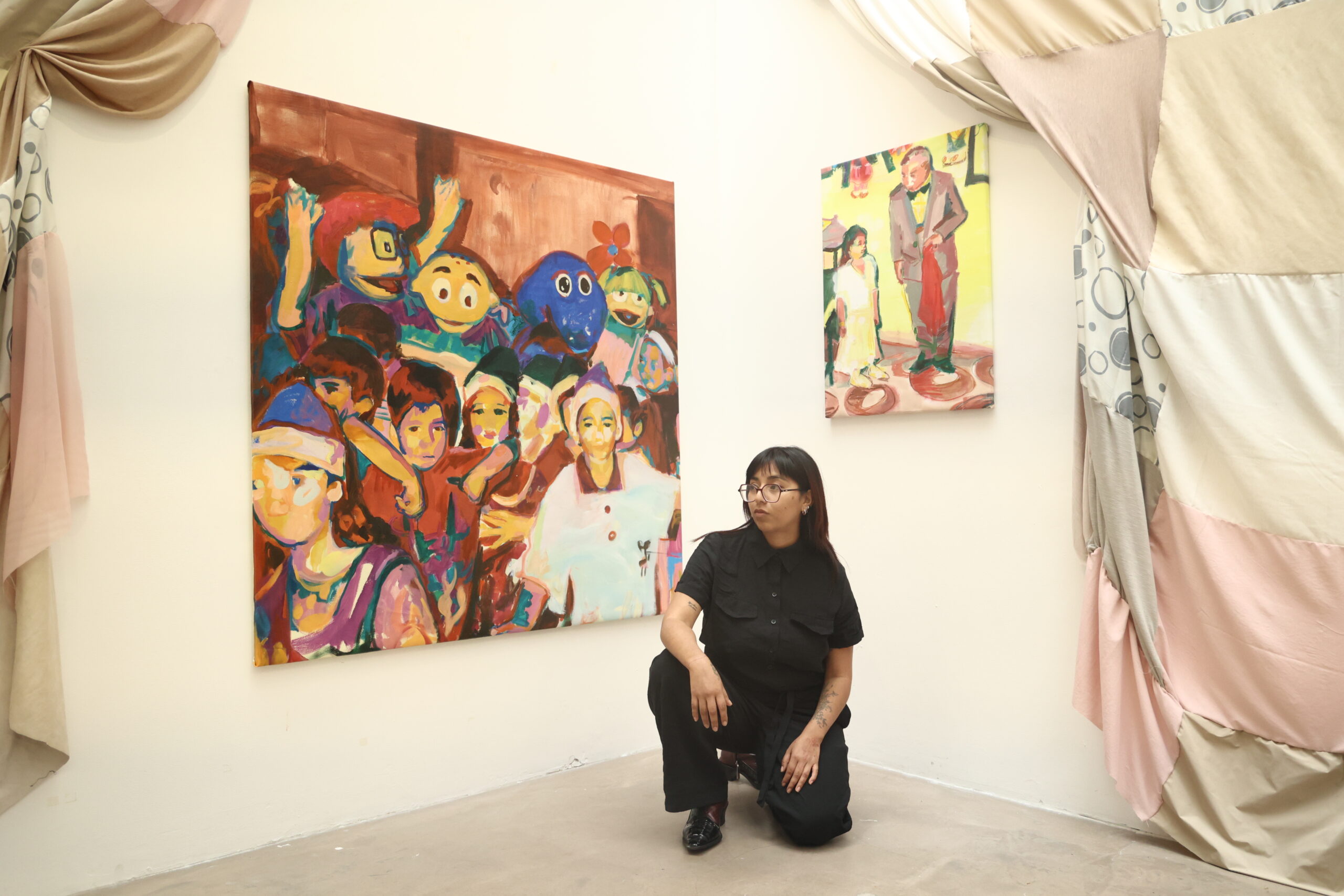
Born in Lima in 1995, Gonzáles is a visual artist whose practice examines the family as one of the first spaces where affection, hierarchy, obedience, and desire are learned. Through domestic archives, family photographs, commemorative objects, intimate testimonies, and everyday materials, she explores how love and care are shaped by social rules rather than existing as purely private experiences. From a Latin American perspective, Gonzáles addresses the legacy of Spanish colonization, which reorganized societies through imposed racial hierarchies, patriarchal family models, Catholic values, and unequal systems of power. Rather than treating colonialism as a closed historical period, her work shows how these frameworks remain present today, in her words “My work interrogates how the affections we perceive as personal are structured by political histories that continue to shape how we relate, love and belong.”
At the center of the exhibition stands a structure formed by textile walls created through patchwork, functioning as an opening to the rest of the exhibition, almost as a symbolic passage that leads viewers toward the archive, the paintings, and the imaginative world they create. Textile is fundamental to Gonzáles’s practice: not only a material, but a bearer of memory, intimacy, labor, and transmission. Fabrics absorb touch, movement, routine, scent, and time. Bedsheets, curtains, tablecloths, and garments become silent witnesses to everyday life, and in Gonzáles’s work, they are activated as emotional documents. Each patchwork unit was gathered from different households, preserving traces of singular lives while entering in relation with one another: what once served a private domestic function now becomes part of a collective architecture. Through sewing and layering, Fabiola Gonzáles proposes memory not as a complete narrative but as something fragmentary and constantly rewritten.
Festive rituals occupy a central place in this exhibition. Celebrations, birthdays, meals, and moments of gathering appear throughout Gonzáles’s visual language. She is interested in these rituals not only as scenes of joy, but as spaces where family structures become visible: where affection is performed, roles are reinforced, and collective identity is reaffirmed. In many Latin American contexts, celebration also functions as resilience and a way of sustaining community in the face of uncertainty.
For Fabiola Gonzáles, memory is never purely factual. It behaves more like a dream, an intuition, or a melody whose emotional force remains even when details fade. What survives are gestures of memory: almost invisible impressions that continue to shape our sense of belonging. This exhibition embraces this instability, using fragments to open new narratives, promises, and beginnings.
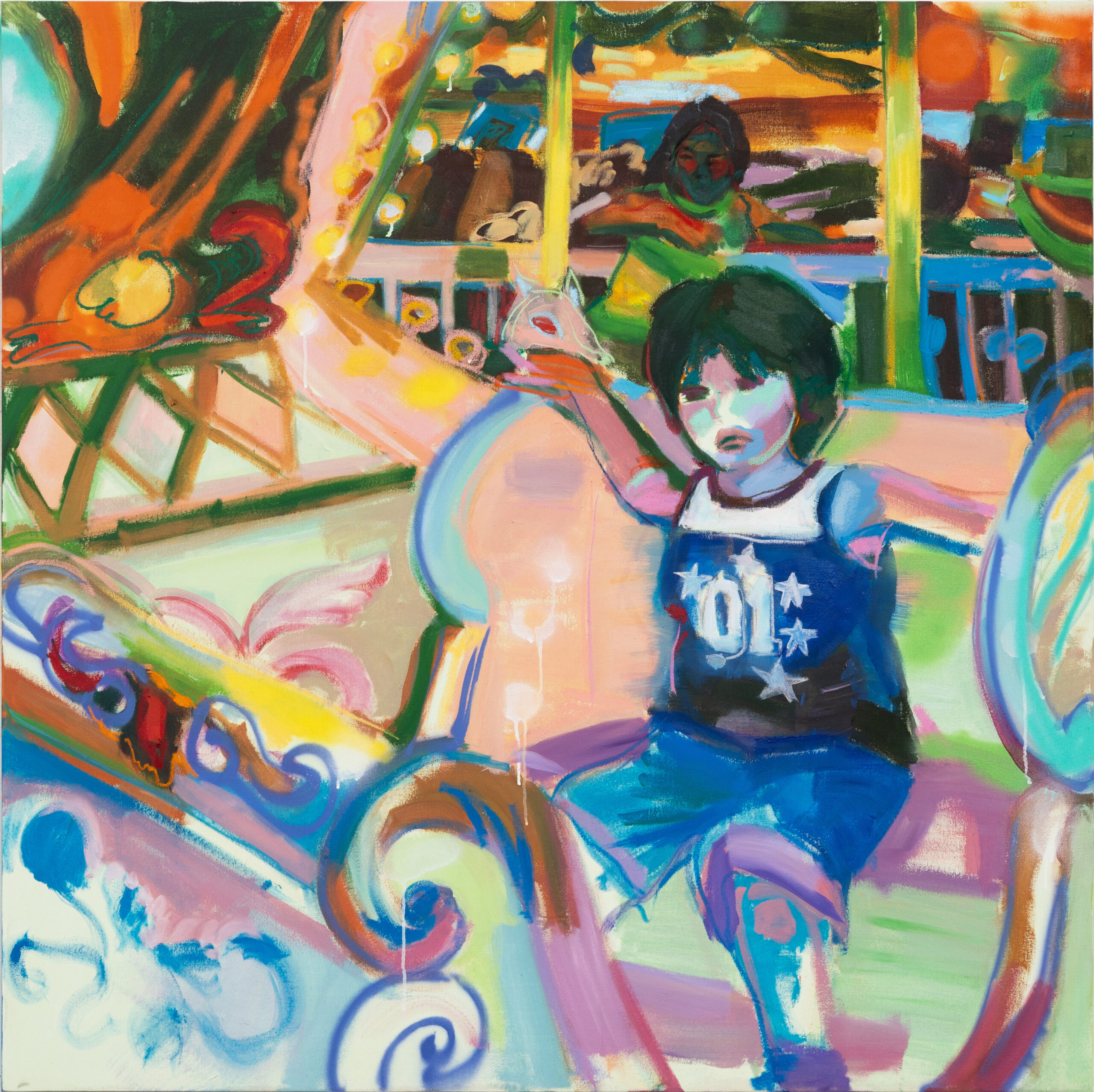
This idea extends to her paintings, drawn from domestic photographic archives. While several works retain the broader scene of the original image, in others she isolates specific fragments: a child’s posture, a decorative object, a fleeting gesture, and transforms them into scenes charged with ambiguity. The source of these images being analog photographs give place to interpretation, since they are often partial and unpredictable records of reality. Color plays a crucial role in this dynamic where colors clash rather than harmonize, creating visual tensions that mirror interpersonal ones.
Across these works, Gonzáles reveals the domestic as something constantly enacted. A place where rituals repeat, tensions resurface, and memory is shaped by what is remembered, shown and performed. Festive scenes disclose deeper emotional and historical layers, where humor, tenderness, excess and contradiction coexist. In Latin America, where community often remains central, family structures can sustain as much as they discipline. Fabiola Gonzáles inhabits these tensions, turning memory into material and the personal into something shared.
Ultimately, the exhibition suggests that home is no longer a fixed place, but something carried within and between us. Home is built from fragments, gestures, encounters, and those whose presence continues to sustain us across distance. Through textile, paint, and photographic traces, she creates a living archive continuously reconstructed across time and space, opening toward what comes next.
Curatorial text by Amaya Zoé Vega Pizano.
Está mi infancia en este costa,
bajo el cielo tan alto, cielo como ninguno,
rápido, de oro, con la sombra que pasa.
Everything I remember is on this coast, under a sky so high, a sky like no other, swift, made of gold, with the passing shadow. — Blanca Varela, Puerto Supe
In collaboration with: IESA Arts & Culture Ambassade du Pérou en France